Embarking on a yoga journey is an exciting step towards wellness, flexibility, and inner peace. Yet, for many newcomers, the sheer variety of yoga mats can feel overwhelming. How do you pick the perfect yoga mat for beginners when there are so many options? This guide is designed to cut through the confusion, helping you find a mat that supports your practice, keeps you safe, and feels like a true companion on your path to mastering poses.
Understanding the Benefits of a Good Yoga Mat
A dedicated yoga mat is more than just a piece of equipment; it’s your personal space for practice, offering essential support and comfort. Historically, yogis practiced on natural surfaces or animal hides. The modern yoga mat, however, emerged in the late 20th century, evolving from sticky carpet underlays to the specialized tools we know today. Using a proper mat provides crucial benefits: it offers a hygienic barrier, cushions your joints, and, most importantly, provides the necessary grip to prevent slipping, building confidence as you hold challenging poses.
Key Factors for Beginners When Choosing a Yoga Mat
Selecting the right mat involves considering several crucial elements that impact your comfort, safety, and overall yoga experience.
Material Matters: Finding Your Foundation
The material of your yoga mat dictates its texture, grip, durability, and environmental impact. Understanding the pros and cons of common materials is key.
- PVC (Polyvinyl Chloride): Often the most affordable and widely available option, PVC mats are known for their durability and ease of cleaning. They offer a good initial “stickiness” but can become slippery with sweat and are not considered eco-friendly due to their non-biodegradable nature.
- TPE (Thermoplastic Elastomer): A more environmentally friendly alternative to PVC, TPE mats are lighter and often have a softer, more rubber-like feel. They provide good traction and cushioning and are recyclable, making them a popular choice for eco-conscious beginners.
- Natural Rubber: Praised for its excellent, non-slip grip, even when wet, natural rubber mats are a favorite among many yogis. They are sustainable, biodegradable, and offer substantial cushioning and durability. However, they can be heavier, have a distinct rubber smell initially, and may not be suitable for those with latex allergies.
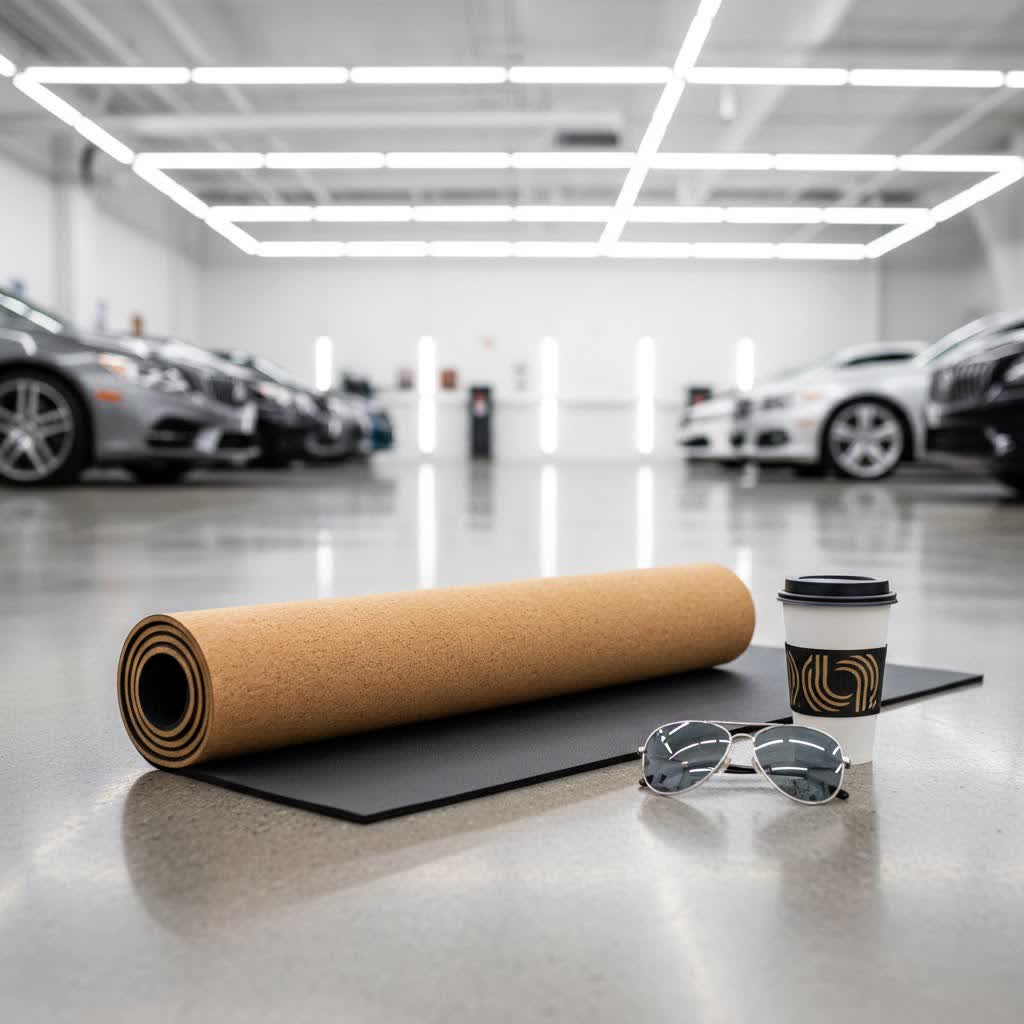
- Cork: An innovative and sustainable option, cork mats are naturally antimicrobial and provide impressive grip that actually increases when wet. They offer a firm surface, which can be great for stability, though they typically offer less cushioning than rubber or TPE.
- Jute/Cotton: These natural fiber mats offer a unique, earthy feel and good grip due to their textured surface. While sustainable, they generally provide less cushioning and may not be as durable as synthetic or rubber mats, often requiring a separate yoga towel for absorbency.
|
Our Picks for the Best Yoga Mat in 2026
As an Amazon Associate I earn from qualifying purchases.
|
||
| Num | Product | Action |
|---|---|---|
| 1 | Retrospec Solana Yoga Mat 1" Thick w/Nylon Strap for Men & Women - Non Slip Exercise Mat for Home Yoga, Pilates, Stretching, Floor & Fitness Workouts |

|
| 2 | Amazon Basics Extra Thick Exercise Yoga Mat with Carrying Strap |
|
| 3 | Amazon Basics Extra Thick Exercise Yoga Mat with Carrying Strap |
|
| 4 | Amazon Basics Extra Thick Exercise Yoga Mat with Carrying Strap |
|
| 5 | Retrospec Solana Yoga Mat 1" Thick w/Nylon Strap for Men & Women - Non Slip Exercise Mat for Home Yoga, Pilates, Stretching, Floor & Fitness Workouts |
|
| 6 | Retrospec Solana Yoga Mat 1" Thick w/Nylon Strap for Men & Women - Non Slip Exercise Mat for Home Yoga, Pilates, Stretching, Floor & Fitness Workouts |
|
| 7 | Amazon Basics Extra Thick Exercise Yoga Mat with Carrying Strap |
|
| 8 | Retrospec Solana Yoga Mat 1" Thick w/Nylon Strap for Men & Women - Non Slip Exercise Mat for Home Yoga, Pilates, Stretching, Floor & Fitness Workouts |
|
| 9 | Amazon Basics 1/4 Inch Thick TPE Exercise Yoga Mat with Carrying Strap |
|
| 10 | Amazon Basics Extra Thick Exercise Yoga Mat with Carrying Strap |
|
Thickness and Cushioning: Comfort vs. Stability
The thickness of your mat plays a significant role in comfort and stability.
- Standard Thickness (3-4mm / 1/8 inch): These mats offer a good balance, allowing you to feel grounded and stable in standing poses while providing adequate cushioning for most practices. They are also relatively lightweight and portable.
- Thicker Mats (5-6mm / 1/4 inch): Highly recommended for beginners, these mats provide extra cushioning for sensitive joints like knees, wrists, and hips. They are ideal for restorative yoga, sitting meditations, or practices with many kneeling poses, offering enhanced comfort and support. Be aware that excessively thick mats (e.g., 10mm+) can sometimes compromise stability in balancing poses.
- Travel Mats (1.5-2mm): While incredibly lightweight and portable, these thinner mats offer minimal cushioning and are generally not recommended as a primary mat for beginners who need extra joint protection.
Grip and Non-Slip Properties: Preventing Slips and Injuries
For beginners, a mat with reliable grip is paramount. Slipping can lead to frustration, loss of confidence, and even injury.
- Textured Surfaces: Many mats feature a textured surface designed to enhance traction for your hands and feet.
- Material-Specific Grip: Natural rubber and cork mats are renowned for their superior non-slip properties, often performing well even when damp with sweat. Some TPE and specialized PVC mats also offer excellent dry-grip.
- Sweat Management: If you tend to sweat a lot or plan to practice hot yoga, look for mats specifically designed to maintain grip in moist conditions, such as those made from natural rubber or cork, or specialized “dry-grip” synthetic options.
Size and Weight: Fit Your Practice and Lifestyle
Most yoga mats come in a standard size of approximately 68 inches long by 24 inches wide (173 cm x 61 cm). However, if you are taller or prefer more space, you can find longer or wider options.
- Standard vs. Extended: Consider your height and the space you’ll be using for practice. You should be able to lie completely on your mat with your head and feet within its boundaries.
- Portability: If you plan to carry your mat to a studio, gym, or when traveling, its weight and how easily it rolls or folds are important factors. Thinner mats are generally lighter, while thicker, denser mats can be heavier.
Price and Brand: Investing in Your Practice
Yoga mat prices vary widely, from budget-friendly options under $20 to premium mats costing over $100.
- Budget-Friendly: Entry-level PVC or basic TPE mats are often affordable and a great starting point for beginners to explore yoga without a significant investment. Brands like Gaiam and Amazon Basics offer reliable beginner options.
- Mid-Range to Premium: As you progress, you might consider investing in higher-quality mats from brands like JadeYoga, Manduka, or Liforme, which offer enhanced durability, superior grip, and often more eco-friendly materials. While a higher price doesn’t always guarantee the “best” mat, it often reflects better materials and construction.
Matching Your Mat to Your Yoga Style
Different yoga styles place different demands on your mat.
- Gentle and Restorative Yoga: For practices that involve holding poses for longer periods or many seated and lying postures, a thicker mat (5-6mm) will provide ample cushioning and comfort for your joints.
- Vinyasa and Flow Yoga: These dynamic styles benefit from a mat that offers excellent grip and stability to prevent slipping as you transition between poses. A standard (3-4mm) or slightly thicker mat with good traction is ideal.
- Hot Yoga: If you’re drawn to heated classes, a mat with exceptional wet-grip is essential. Natural rubber or cork mats, or specialized synthetic mats designed to absorb moisture, are excellent choices to keep you secure when you sweat.
For most beginners, a mat that offers a good balance of cushioning (around 5-6mm) and reliable non-slip grip will serve well across a variety of introductory yoga classes.
Caring for Your Yoga Mat: Extend Its Life
Proper care significantly extends the life and performance of your yoga mat.
- Wipe Down After Each Use: After every practice, especially if you sweat, wipe your mat down with a damp cloth. This removes sweat, oils, and dirt that can degrade the material and reduce grip.
- Cleaning Solutions: You can use a diluted mixture of water and mild soap (like dish soap), or a specialized yoga mat cleaner. Avoid harsh chemicals or excessive scrubbing, as these can damage the mat’s surface. For natural rubber mats, avoid oil-based cleaners.
- Drying: Always allow your mat to air dry completely before rolling it up and storing it, especially natural rubber and cork mats, to prevent mildew and odors. Do not put your mat in a washing machine or dryer.
- Storage: Store your mat rolled up, ideally with the top surface facing outwards, to prevent the edges from curling. Keep it out of direct sunlight and extreme temperatures, which can cause materials to break down or fade.
Where to Buy Your First Yoga Mat
You have several options when it comes to purchasing your first yoga mat.
- Online Retailers: Websites like Amazon, dedicated yoga supply stores, and brand-specific sites offer a vast selection, competitive pricing, and user reviews. Be sure to check return policies before purchasing.
- Physical Stores: Sporting goods stores, health and wellness shops, and even some yoga studios often carry a range of mats. Buying in person allows you to feel the texture, test the thickness, and sometimes even try out the grip.
Buying Guide: Quick Tips for Beginner Mat Selection
To simplify your decision, here’s a quick guide for beginners:
Assess Your Needs: Yoga Style & Frequency
Consider what type of yoga you’ll be doing most often and how frequently you plan to practice. This will help determine the necessary cushioning and durability.
Explore Materials: Prioritize Grip & Eco-Friendliness
For beginners, excellent grip is crucial for safety. Natural rubber and TPE are popular for their non-slip qualities and environmental considerations.
Test Thickness: Comfort for Your Joints
A thickness of 5-6mm is generally ideal for beginners, offering sufficient cushioning to protect your joints without compromising stability.
Read Reviews: Learn from Other Beginners
Check reviews from other beginners for insights on real-world performance, especially regarding grip and comfort over time.
A good yoga mat is an investment in your well-being, providing the foundation for a consistent and enjoyable practice. Take your time to choose one that aligns with your individual needs and preferences. With the right mat underfoot, you’ll be ready to embrace the many physical and mental benefits that yoga offers. What aspect of a yoga mat is most important to you as you begin your yoga journey?
Frequently Asked Questions
How thick should a yoga mat be for a beginner?
For beginners, a yoga mat that is 5-6mm (approximately 1/4 inch) thick is generally recommended. This thickness provides excellent cushioning for your joints, such as knees and wrists, while still offering enough stability for standing poses.
What material is best for non-slip for beginners?
Natural rubber is widely considered one of the best materials for non-slip properties, offering superior grip even in sweaty conditions. TPE (Thermoplastic Elastomer) mats and some specialized PVC mats also provide good traction for beginners.
How often should I clean my yoga mat?
It’s a good practice to wipe down your yoga mat with a damp cloth after every use, especially if you sweat. For a deeper clean, a thorough wash with a mild soap solution is recommended every few weeks, or more frequently if you practice daily.
Can I use a regular exercise mat for yoga?
While you can use a regular exercise mat for yoga, it’s generally not ideal. Exercise mats are often thicker and softer, designed for cushioning during floor exercises, which can compromise stability in yoga poses. They also typically lack the specific non-slip grip required for yoga.
Are expensive yoga mats worth it for beginners?
Not necessarily. While premium mats offer enhanced durability and specialized features, many affordable mats (e.g., from Gaiam or Amazon Basics) provide excellent value and sufficient comfort and grip for beginners. You can always upgrade as your practice evolves.
