In the diverse world of yoga, finding the perfect mat is crucial for enhancing your practice, ensuring comfort, and supporting your overall well-being. While many materials vie for attention, the TPE yoga mat has emerged as a standout choice, balancing performance with a commitment to sustainability. If you’re seeking a mat that offers exceptional grip, cushioning, and an eco-conscious design, understanding the benefits of Thermoplastic Elastomer (TPE) is your next essential step. This comprehensive guide will navigate you through everything you need to know about TPE yoga mats, helping you choose a companion that truly elevates your yoga journey.
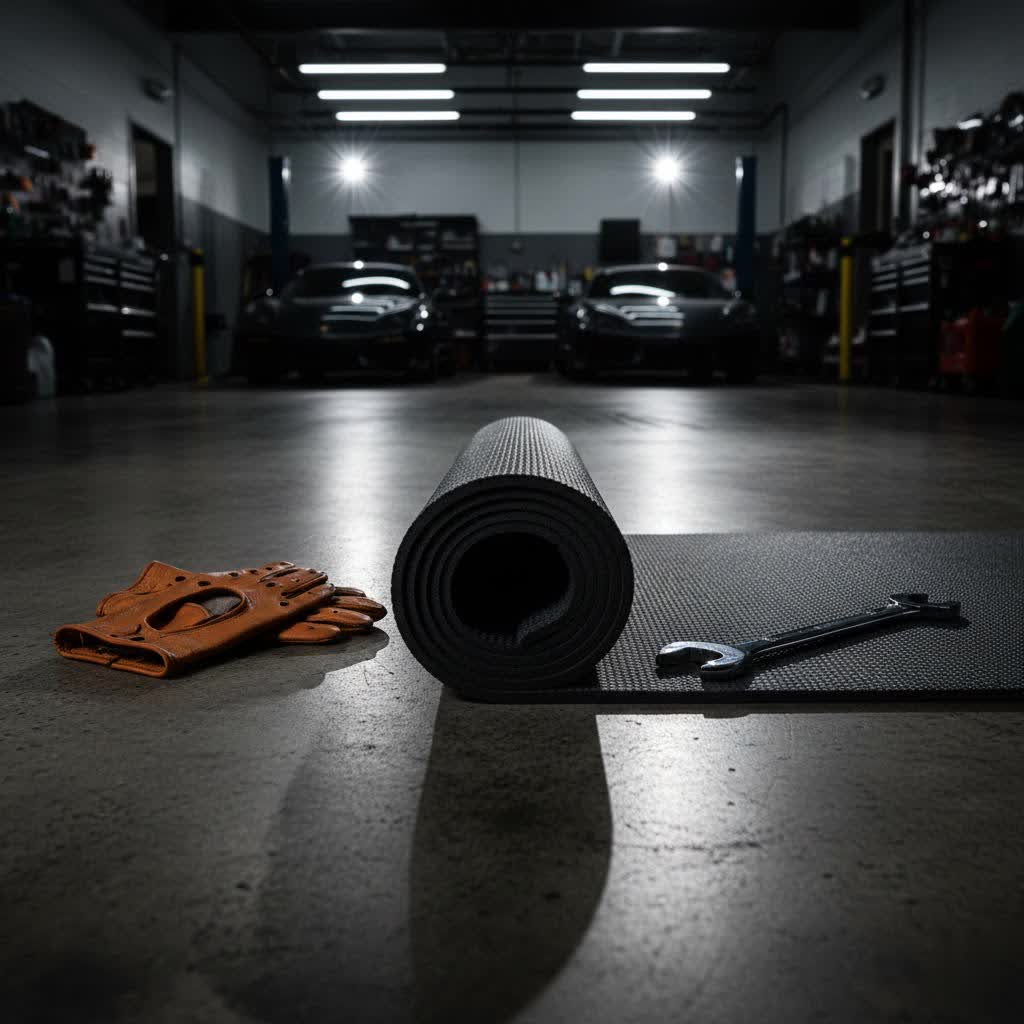
TPE Yoga Mats: Overview and Benefits
TPE, or Thermoplastic Elastomer, represents a modern innovation in yoga mat technology. This synthetic rubber-like material skillfully combines the flexibility and elasticity typically found in rubber with the robust durability and easy processability characteristic of plastic. Its introduction to the market was, in part, a response to growing concerns over the environmental and health impacts of traditional PVC (polyvinyl chloride) mats, offering a much “safer” and more sustainable alternative.
TPE yoga mats are crafted through a process involving closed-cell foaming at high temperatures, often fusing TPE with other materials to enhance its inherent properties. This results in a material that is not only highly efficient but also addresses many demands of contemporary yogis.
Key Benefits of Using TPE Yoga Mats:
- Eco-friendliness: TPE mats are generally considered more environmentally friendly than PVC options. They are typically free from harmful chemicals like phthalates, heavy metals, and BPA. Many TPE mats are also recyclable and biodegradable, breaking down more readily in landfills than their PVC counterparts.
- Durability and Longevity: Known for their resilience, TPE mats exhibit excellent resistance to wear and tear, stretching, and tearing. This robust nature ensures your mat can withstand consistent use, maintaining its integrity and performance over time.
- Superior Non-Slip Grip: A hallmark of quality, TPE mats often provide an exceptional non-slip surface, crucial for maintaining stability and preventing accidental slips during challenging poses. This grip is effective even when wet, making TPE mats a popular choice for hot yoga practitioners.
- Lightweight and Portable: TPE mats are considerably lighter than natural rubber mats, making them incredibly convenient for transportation. Whether you’re heading to a studio, traveling, or simply moving your practice space at home, their portability is a significant advantage.
- Optimal Cushioning and Joint Support: Offering a harmonious balance of cushioning and support, TPE mats protect your joints and provide comfort throughout your practice. The material’s inherent flexibility allows for a soft yet supportive surface, ideal for various body types and practice intensities.
- Odor-Resistant and Hygienic: Unlike some mats that may emit a chemical smell, TPE mats are generally odor-resistant. Their closed-cell structure also makes them resistant to microbes, contributing to a more hygienic practice environment and making them easier to clean.
- Hypoallergenic: For individuals with sensitive skin or allergies to latex, TPE mats are an excellent choice as they are typically hypoallergenic and latex-free.
- Versatility: From gentle Hatha and restorative Yin to dynamic Vinyasa and Ashtanga, TPE yoga mats are versatile enough to support a wide spectrum of yoga styles.
|
Our Picks for the Best Yoga Mat in 2026
As an Amazon Associate I earn from qualifying purchases.
|
||
| Num | Product | Action |
|---|---|---|
| 1 | Amazon Basics Extra Thick Exercise Yoga Mat with Carrying Strap |

|
| 2 | Retrospec Solana Yoga Mat 1" Thick w/Nylon Strap for Men & Women - Non Slip Exercise Mat for Home Yoga, Pilates, Stretching, Floor & Fitness Workouts |
|
| 3 | Retrospec Solana Yoga Mat 1" Thick w/Nylon Strap for Men & Women - Non Slip Exercise Mat for Home Yoga, Pilates, Stretching, Floor & Fitness Workouts |
|
| 4 | Retrospec Solana Yoga Mat 1" Thick w/Nylon Strap for Men & Women - Non Slip Exercise Mat for Home Yoga, Pilates, Stretching, Floor & Fitness Workouts |
|
| 5 | Amazon Basics Extra Thick Exercise Yoga Mat with Carrying Strap |
|
| 6 | Retrospec Solana Yoga Mat 1" Thick w/Nylon Strap for Men & Women - Non Slip Exercise Mat for Home Yoga, Pilates, Stretching, Floor & Fitness Workouts |
|
| 7 | Amazon Basics Extra Thick Exercise Yoga Mat with Carrying Strap |
|
| 8 | Amazon Basics 1/4 Inch Thick TPE Exercise Yoga Mat with Carrying Strap |
|
| 9 | Amazon Basics Extra Thick Exercise Yoga Mat with Carrying Strap |
|
| 10 | Amazon Basics Extra Thick Exercise Yoga Mat with Carrying Strap |
|
Choosing the Right TPE Yoga Mat
Selecting the perfect TPE yoga mat involves considering several factors that align with your personal practice, comfort preferences, and lifestyle.
Factors to Consider When Buying a TPE Yoga Mat
When investing in a TPE yoga mat, keep these elements in mind to ensure you make an informed decision:
- Thickness: TPE mats are available in various thicknesses, typically ranging from 3mm to 8mm.
- Thinner mats (3-4mm): Offer a closer connection to the floor and are more portable.
- Standard mats (5-6mm): Provide a good balance of cushioning and stability, suitable for most practitioners.
- Thicker mats (7-8mm): Deliver maximum cushioning and joint protection, ideal for those with sensitive joints or who prefer extra comfort.
- Grip and Texture: While TPE naturally offers good grip, some mats feature additional textures or patterns to enhance non-slip properties. Consider whether you prefer a smooth surface or a slightly textured one for extra traction, especially if you sweat a lot during practice.
- Size and Weight: Standard yoga mats are usually 68 inches long and 24 inches wide. However, longer or wider options are available for taller individuals or those who prefer more space. As mentioned, TPE mats are generally lightweight, but always check the specific product weight if portability is a primary concern.
- Durability and Quality: Look for TPE mats from reputable brands that emphasize quality construction. Reviews from other users can often provide insights into a mat’s real-world durability.
- Price and Brand: TPE mats fall into a mid-range price bracket, offering a great balance between affordability and performance compared to high-end natural rubber or low-end PVC mats. Establish a budget and research brands known for their quality TPE offerings.
TPE Yoga Mats for Different Practice Styles
The versatility of TPE mats makes them suitable for a wide array of yoga disciplines:
- For Beginners: A TPE mat with standard thickness (5-6mm) provides ample cushioning and a stable, non-slip surface, helping new practitioners feel secure and supported as they learn foundational poses.
- For Experienced Practitioners: Depending on personal preference, experienced yogis might opt for a thinner mat for more direct ground feedback or a thicker one for enhanced comfort in longer holds and restorative practices. The reliable grip remains a universal benefit.
- For High-Intensity or Hot Yoga: The excellent non-slip properties of TPE, even when damp, make it an ideal choice for dynamic flows and hot yoga classes where sweat is a factor.
- For Gentle or Restorative Yoga: The inherent cushioning of TPE mats offers superior comfort, making them perfect for slower practices where poses are held longer and joint support is paramount.
TPE vs. Other Popular Yoga Mat Materials
Understanding how TPE stacks up against its common counterparts, PVC and natural rubber, is crucial for making an informed decision about your yoga mat. Each material offers a distinct set of characteristics, catering to different priorities.
Detailed Comparison of TPE, PVC, and Natural Rubber Yoga Mats
| Feature | TPE Yoga Mat | PVC Yoga Mat | Natural Rubber Yoga Mat |
|---|---|---|---|
| Pros | More eco-friendly than PVC, good grip (even wet), lightweight, durable, hypoallergenic, odor-resistant, excellent cushioning, mid-range price. | Very durable, highly accessible, typically the most inexpensive option. | Most eco-friendly, superior wet and dry grip, highly durable, dense, substantial feel. |
| Cons | Not as eco-friendly as natural rubber, grip/density can be slightly less than natural rubber. | Poor eco-friendliness (toxic, non-biodegradable), often has a distinct chemical odor, can be slippery when wet. | Heavier, more expensive, often has a strong natural rubber smell initially, can contain latex (potential allergen). |
| Eco-friendliness | Good (recyclable, biodegradable, free from many harmful chemicals). | Poor (made from petroleum, non-biodegradable, often contains phthalates). | Excellent (made from a renewable resource, biodegradable). |
| Grip | Excellent, effective even with sweat, offering reliable stability. | Can be prone to slipping, especially when damp or wet with sweat. | Outstanding, often considered the best grip available for yoga. |
| Weight | Lightweight, making it easy to carry and transport. | Moderate weight, generally easy enough to carry. | Heavy, can be a disadvantage for those who commute with their mat regularly. |
| Cushioning | Provides a good balance of comfort and support for joints. | Offers decent cushioning, though can feel less supportive over time. | Good cushioning, dense and stable feel. |
| Allergens | Hypoallergenic and latex-free, suitable for sensitive individuals. | Generally hypoallergenic, but harmful chemical additives are a concern. | Contains latex, which can be an allergen for some individuals. |
| Price | Mid-range, offering a strong value proposition for its features. | Low-end, the most budget-friendly option. | High-end, a premium investment reflecting its natural material and performance. |
Cleaning and Maintaining Your TPE Yoga Mat
Proper care is essential to prolong the life of your TPE yoga mat and maintain its hygienic properties. TPE mats are relatively easy to clean and maintain, resisting microbes due to their closed-cell nature.
How to Keep Your TPE Yoga Mat in Top Condition:
- After Every Practice: For light cleaning, simply wipe down your mat with a damp cloth after each session. This helps remove surface sweat and oils.
- Deep Cleaning: For a more thorough clean, create a gentle solution of warm water and a small amount of mild soap (avoid harsh chemicals). Lightly spray or wipe the mat with this solution, then gently scrub with a soft cloth or sponge. Rinse thoroughly with a clean, damp cloth to remove all soap residue. There are also specialized yoga mat cleaners available that are typically non-toxic and mat-friendly.
- Drying: Always allow your TPE mat to air dry completely before rolling it up or storing it. Lay it flat or hang it over a shower rod, ensuring it’s out of direct sunlight, which can degrade the material over time. Do not put it in a washing machine or dryer.
- Storage: Roll your mat loosely with the top (practice) surface facing outwards to help prevent the edges from curling. Store it in a cool, dry place away from extreme temperatures and direct sunlight. Avoid folding your mat, as this can create creases and damage the material.
- Longevity Tips: Be mindful of sharp objects or excessive heat exposure, as these can compromise the mat’s integrity. Using a yoga towel on top of your mat for very sweaty practices can also help protect it from wear and tear.
Where to Buy TPE Yoga Mats
Finding a quality TPE yoga mat is easier than ever, with numerous options available both online and in physical retail spaces.
Navigating Your Purchase:
- Online Retailers: Large e-commerce platforms like Amazon, as well as specialized online yoga stores (e.g., MeFree, Gaiam, Manduka – offering TPE lines), provide a vast selection of TPE mats from various brands. Online shopping often allows for easy comparison of prices, features, and user reviews.
- Physical Stores: You can find TPE yoga mats at sporting goods stores, dedicated yoga and fitness boutiques, and sometimes even general department stores. This option allows you to physically feel the mat’s texture, test its grip, and assess its thickness before purchasing.
- Key Considerations When Buying:
- Read Reviews: Always check user reviews and ratings to gauge real-world performance and durability.
- Check Return Policies: Ensure the retailer offers a reasonable return or exchange policy in case the mat doesn’t meet your expectations.
- Verify Eco-Certifications: Some brands may provide certifications for their TPE materials regarding recyclability or absence of harmful chemicals, which can be a reassuring factor.
Buying Guide: Key Takeaways for Choosing a TPE Yoga Mat
Making the right choice for your yoga mat can significantly impact your practice enjoyment and progression. Here are the core takeaways to guide you:
Determine Your Usage Needs
Before anything else, consider your practice frequency, style, and environment. Do you practice daily or occasionally? Are you into hot yoga, gentle flows, or dynamic sessions? Do you need a mat for home use or one that’s easy to travel with? Answering these questions will narrow down your options for thickness, grip, and portability.
Understand Material Differences
Remember that TPE offers a compelling middle ground: it’s more eco-friendly and safer than PVC, while being lighter, more affordable, and hypoallergenic compared to natural rubber. This makes TPE an excellent choice for those seeking a blend of performance, sustainability, and value.
Balance Price and Quality
While it might be tempting to opt for the cheapest option, investing a bit more in a higher-quality TPE mat can pay dividends in terms of durability, sustained grip, and comfort. A good mat is an investment in your practice and well-being.
Consult Reviews and Expert Opinions
Leverage the experiences of others. Read online reviews, check product ratings, and consider insights from yoga instructors or reputable yoga blogs. Real-world feedback can offer invaluable perspectives on a mat’s performance, longevity, and suitability for different practitioners.
Conclusion
The TPE yoga mat stands out as an exceptional choice for the modern yogi, blending thoughtful design with a commitment to a healthier planet. Its unique composition offers a remarkable combination of superior grip, comforting cushioning, and impressive durability, all while being lightweight and free from many common allergens and toxins. By opting for a TPE yoga mat, you choose not just a tool for your practice, but a sustainable partner that supports your well-being and aligns with an eco-conscious lifestyle. Make an informed decision, and let your TPE mat empower your every pose, breath, and moment of mindfulness. What will your next TPE yoga mat empower you to achieve on your wellness journey?
Frequently Asked Questions
Are TPE yoga mats truly eco-friendly?
TPE mats are considered more eco-friendly than traditional PVC mats because they are typically non-toxic, free of phthalates and heavy metals, and often recyclable and biodegradable, reducing their environmental impact compared to non-degradable PVC.
How often should I clean my TPE yoga mat?
It’s recommended to wipe down your TPE yoga mat with a damp cloth after every practice to remove sweat and oils. For a deeper clean, use a mild soap solution or a specialized mat cleaner once a week or as needed, ensuring it’s fully air-dried before storage.
Can I use a TPE yoga mat for hot yoga?
Yes, TPE yoga mats are an excellent choice for hot yoga. Their material often provides superior non-slip grip, even when wet with sweat, helping you maintain stability and balance during intense, heated sessions.
How long does a TPE yoga mat typically last?
With proper care and maintenance, a high-quality TPE yoga mat can last for several years, often between 1 to 3 years or more, depending on the frequency and intensity of use. Its durability contributes to its longevity.
Are TPE yoga mats suitable for sensitive skin?
Absolutely. TPE mats are typically hypoallergenic and latex-free, making them a safe and comfortable option for individuals with sensitive skin or allergies to natural rubber latex.
