Are you searching for a yoga mat that truly supports your practice while aligning with your values? Perhaps you’ve experienced slips and slides, or you’re simply tired of replacing mats that quickly lose their integrity. Many yogis face these dilemmas, but the good news is that the solution might lie in a material cherished for its performance and eco-conscious benefits: the natural rubber yoga mat. This article will be your comprehensive companion, guiding you through everything you need to know about natural rubber mats, from their origins and benefits to choosing, caring for, and finding the perfect one for your journey.
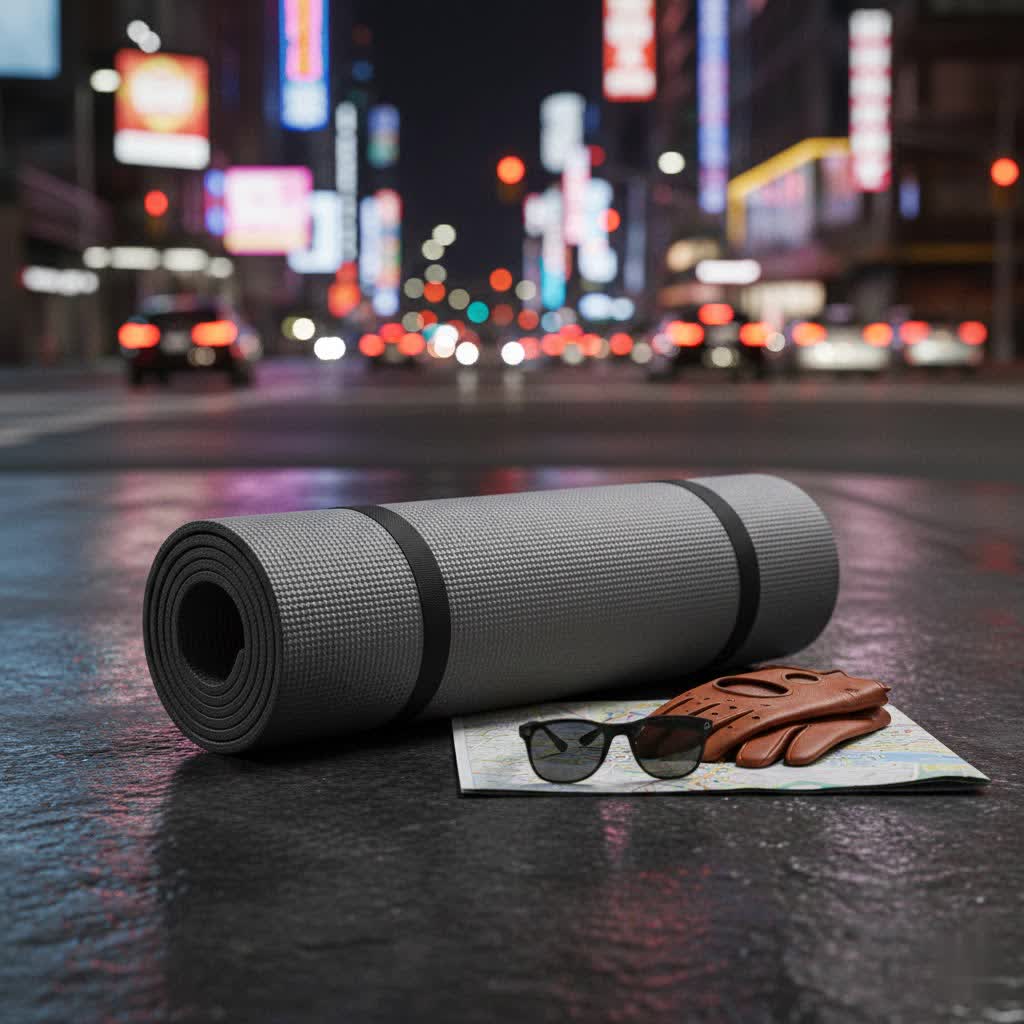
Natural Rubber Yoga Mats: Overview and Benefits
Natural rubber yoga mats are celebrated in the yoga community for their exceptional qualities. Derived from the sap of rubber trees (Hevea brasiliensis), these mats offer a unique blend of grip, cushioning, and environmental responsibility, making them a top choice for dedicated practitioners.
The history of yoga mats itself is relatively short, with modern mats becoming popular in the late 20th century as yoga gained widespread popularity in the West. Early mats were often made from synthetic materials, but as environmental awareness grew, natural alternatives like rubber emerged as superior choices.
While many types of yoga mats exist – including PVC, TPE, cork, and jute – natural rubber stands out due to its inherent properties. Its production involves sustainably harvesting latex from rubber trees, a renewable resource, which contributes to its eco-friendly profile. This natural origin means natural rubber mats are typically biodegradable and free from many harmful chemicals found in synthetic alternatives.
The benefits of integrating a natural rubber yoga mat into your practice are numerous:
- Exceptional Grip: The natural stickiness of rubber provides unparalleled traction, preventing slips and enhancing stability, even during intense or sweaty sessions like hot yoga.
- Optimal Cushioning and Support: Natural rubber offers a superb balance of firmness and cushioning, protecting your joints and spine while maintaining a stable surface for balance.
- Durability and Longevity: These mats are designed to withstand regular use, resisting wear and tear, making them a long-term, cost-effective investment.
- Eco-Friendly and Sustainable: As a biodegradable product made from a renewable resource, choosing a natural rubber mat significantly reduces your environmental footprint.
- Non-Toxic and Healthier: Unlike PVC mats that can off-gas harmful chemicals, natural rubber mats are generally free from phthalates, heavy metals, and other toxins, contributing to a healthier practice environment.
Guide to Choosing the Right Natural Rubber Yoga Mat
Selecting the ideal natural rubber yoga mat is a personal journey that depends on your individual needs, practice style, and priorities. Understanding key factors will help you make an informed decision.
Essential Factors to Consider When Choosing Your Yoga Mat
When investing in a natural rubber mat, several aspects warrant close attention:
- Material Composition: While all are “natural rubber,” some mats may feature a top layer of polyurethane (PU) for enhanced moisture-wicking and grip, or a blend with jute or cork for added texture. Pure natural rubber mats are also common. It’s crucial to check for certifications like OEKO-TEX or FSC to ensure low toxicity and sustainable sourcing.
- Natural Rubber (Pure): Excellent grip, cushioning, eco-friendly. May have a distinct initial odor and be heavier.
- Natural Rubber with PU Top Layer: Combines rubber’s base support with PU’s superior sweat absorption and dry grip. Often more expensive.
- Natural Rubber Blends (e.g., with Jute/Cork): Offers unique textures and potentially enhanced eco-credentials.
- Thickness and Cushioning: Mat thickness significantly impacts comfort and stability.
- 3-4mm: Provides closer ground contact, ideal for balance-focused practices, and is often lighter for portability.
- 5-6mm: Offers balanced support and cushioning, a versatile choice for most practitioners and styles.
- Over 6mm: Best for those needing extra joint protection, practicing on hard surfaces, or seeking maximum comfort for restorative yoga.
- Grip and Anti-Slip Properties: The most celebrated feature of natural rubber is its grip. Look for mats that promise excellent traction even when wet, which is crucial for dynamic or hot yoga styles. Both the top surface and the bottom (to prevent mat slippage on the floor) should offer reliable grip.
- Size and Weight: Standard mats are typically 68 inches long and 24 inches wide, but longer or wider options are available. Natural rubber mats tend to be heavier than synthetic alternatives, ranging from 4-8 pounds. Consider your need for portability if you frequently travel or commute to studios.
- Durability and Brand Reputation: Natural rubber mats are generally durable, but quality can vary. Research reputable brands known for their high-quality natural rubber products and check user reviews for insights into their longevity.
- Price: Natural rubber mats often have a higher price point than PVC or TPE mats due to their sustainable sourcing and production. However, their durability can make them a more economical choice over time.
|
Our Picks for the Best Yoga Mat in 2026
As an Amazon Associate I earn from qualifying purchases.
|
||
| Num | Product | Action |
|---|---|---|
| 1 | Amazon Basics Extra Thick Exercise Yoga Mat with Carrying Strap |

|
| 2 | Amazon Basics Extra Thick Exercise Yoga Mat with Carrying Strap |
|
| 3 | Retrospec Solana Yoga Mat 1" Thick w/Nylon Strap for Men & Women - Non Slip Exercise Mat for Home Yoga, Pilates, Stretching, Floor & Fitness Workouts |
|
| 4 | Retrospec Solana Yoga Mat 1" Thick w/Nylon Strap for Men & Women - Non Slip Exercise Mat for Home Yoga, Pilates, Stretching, Floor & Fitness Workouts |
|
| 5 | Amazon Basics Extra Thick Exercise Yoga Mat with Carrying Strap |
|
| 6 | Amazon Basics Extra Thick Exercise Yoga Mat with Carrying Strap |
|
| 7 | Amazon Basics 1/4 Inch Thick TPE Exercise Yoga Mat with Carrying Strap |
|
| 8 | Amazon Basics Extra Thick Exercise Yoga Mat with Carrying Strap |
|
| 9 | Retrospec Solana Yoga Mat 1" Thick w/Nylon Strap for Men & Women - Non Slip Exercise Mat for Home Yoga, Pilates, Stretching, Floor & Fitness Workouts |
|
| 10 | Retrospec Solana Yoga Mat 1" Thick w/Nylon Strap for Men & Women - Non Slip Exercise Mat for Home Yoga, Pilates, Stretching, Floor & Fitness Workouts |
|
Natural Rubber Mats for Different Yoga Styles
The versatility of natural rubber makes it suitable for various forms of yoga:
- For Beginners: A 5-6mm natural rubber mat offers a forgiving surface with excellent grip, building confidence as you learn new poses and preventing accidental slips.
- For Experienced Practitioners: Advanced yogis will appreciate the superior stability and unwavering grip of natural rubber, especially during challenging inversions, arm balances, and rapid transitions.
- For Hot Yoga or Sweaty Practices: The natural rubber’s ability to maintain grip even with moisture makes it an outstanding choice for hot yoga, Vinyasa, or Ashtanga, where sweat can be a significant factor. Some prefer PU-coated natural rubber for enhanced sweat absorption.
- For Gentle or Restorative Yoga: While grip is less critical, the cushioning properties of a thicker natural rubber mat provide comfort and support for longer holds and deeper relaxation.
Comparing Popular Yoga Mat Materials
Understanding how natural rubber stacks up against other common mat materials can help solidify your choice.
Detailed Comparison Table of Popular Yoga Mat Materials
| Feature | Natural Rubber Yoga Mat | PVC Yoga Mat | TPE Yoga Mat |
|---|---|---|---|
| Pros | Exceptional grip, eco-friendly, sustainable, non-toxic, good cushioning, durable | Affordable, durable, good initial grip, easy to clean | Lightweight, affordable, good cushioning, non-toxic, recyclable (some types) |
| Cons | Heavier, higher price, distinct initial odor, potential latex allergy | Not eco-friendly, contains harmful chemicals (phthalates), can be slippery when wet, not biodegradable | Less durable than rubber/PVC, grip may diminish over time, not as eco-friendly as natural rubber, synthetic |
| Grip in Sweat | Excellent | Poor | Moderate |
| Environmental | Highly sustainable, biodegradable | Poor, not biodegradable | Better than PVC, but still synthetic |
| Longevity | High | High | Moderate |
| Portability | Moderate (heavier) | High (lighter) | High (lightest) |
| Allergens | Potential for latex allergy | None | Hypoallergenic |
“The choice of a yoga mat is often a reflection of a yogi’s commitment not only to their practice but also to their personal health and the environment.” – Dr. Anya Sharma, Yoga & Wellness Expert
Natural rubber mats provide unmatched traction and are biodegradable, making them ideal for environmentally conscious practitioners. PVC mats, while inexpensive and durable, are problematic due to their chemical composition and lack of biodegradability. TPE mats offer a middle ground, being lighter and free from PVC, but their long-term durability and eco-friendliness are still not on par with natural rubber.
Tips for Cleaning and Maintaining Your Natural Rubber Yoga Mat
Proper care is essential to extend the lifespan and maintain the performance of your natural rubber yoga mat.
How to Clean Your Yoga Mat After Each Practice
Regular, gentle cleaning is key to preventing the buildup of sweat, oils, and bacteria.
- Prepare a Gentle Solution: Mix a small amount of mild soap (or a specific yoga mat cleaner) with water in a spray bottle. Avoid harsh chemicals, essential oils (unless specifically formulated for rubber), and abrasive scrubbers, as these can degrade the rubber.
- Lightly Spray: Lightly mist the surface of your mat. Do not oversaturate it.
- Wipe Clean: Use a soft, damp cloth to gently wipe down the entire surface of the mat.
- Rinse (Optional, if heavily soiled): If necessary, lightly wipe again with a clean, damp cloth to remove any soap residue.
- Air Dry: Hang your mat to air dry completely before rolling it up or storing it. Do not put it in direct sunlight, as UV rays can damage the rubber over time.
Storing Your Natural Rubber Mat for Longevity
Correct storage also plays a vital role in preserving your mat’s quality.
- Roll Loosely: Always roll your mat loosely with the top surface facing outwards to prevent creasing and allow it to lie flat more easily during your next practice.
- Store Vertically or Horizontally: Keep your mat in a cool, dry place. Storing it vertically in a corner or horizontally under a bed can protect it from damage.
- Avoid Extreme Temperatures: Do not leave your mat in a hot car or exposed to direct sunlight for extended periods, as heat can cause the rubber to dry out and become brittle.
- Keep Away from Sharp Objects: Protect your mat from anything that could puncture, cut, or scratch its surface.
Where to Buy Natural Rubber Yoga Mats
Finding a quality natural rubber yoga mat means knowing where to look and what to consider.
Reputable Stores and Online Retailers
Many specialized yoga and fitness retailers, both online and brick-and-mortar, offer a range of natural rubber mats. Some popular and trusted brands include Manduka (eKO series), JadeYoga (Harmony Mat), Liforme, and Gaiam. Look for brands that are transparent about their sourcing and manufacturing processes.
- Specialty Yoga Stores: These shops often have knowledgeable staff who can offer personalized recommendations and allow you to feel the mats in person.
- Online Retailers: Websites like Amazon, Yoga Outlet, and directly from brand websites provide a wider selection and competitive pricing, often with detailed product descriptions and customer reviews.
Considerations for Online Purchases
When buying online, keep these tips in mind:
- Read Reviews: Pay close attention to user reviews regarding grip, odor, durability, and customer service.
- Check Return Policies: Ensure the retailer has a flexible return policy in case the mat doesn’t meet your expectations.
- Verify Certifications: Look for mentions of eco-friendly certifications (e.g., OEKO-TEX, FSC) in the product description.
- Compare Specifications: Cross-reference thickness, weight, and dimensions to ensure the mat fits your needs.
Buying Guide: Expert Tips for Selecting Your Ideal Natural Rubber Yoga Mat
Choosing your perfect natural rubber yoga mat doesn’t have to be overwhelming. Here’s a summary of insights to help you decide.
Determine Your Usage Needs
Before anything else, consider your yoga practice.
- Frequency: Daily practice demands a highly durable mat.
- Style: Hot yoga benefits from superior wet grip, while restorative practices might prioritize cushioning.
- Location: If you travel frequently, weight and portability become crucial.
Understand Material Variations
While all are natural rubber, variations exist:
- Pure Natural Rubber: Offers excellent grip and eco-credentials.
- PU-Coated Natural Rubber: Enhanced dry and wet grip, often favored for intense, sweaty practices.
- Blends: May combine rubber with other natural fibers like jute for unique textures and added sustainability.
Evaluate Price vs. Quality
Natural rubber mats are an investment. While they may cost more upfront, their durability and performance often provide better value in the long run. Don’t compromise too much on quality, as a poorly performing mat can hinder your practice and lead to quicker replacement.
Leverage User Reviews and Expert Opinions
Customer reviews and expert assessments are invaluable resources. They offer real-world insights into a mat’s performance, durability, and any potential quirks like a strong initial odor or cleaning challenges. Look for consistent feedback across multiple sources.
Frequently Asked Questions
Is a natural rubber yoga mat suitable for people with latex allergies?
While natural rubber is processed to reduce allergens, it is derived from latex. Individuals with severe latex allergies should exercise caution or opt for entirely latex-free alternatives like TPE or PVC mats to avoid potential reactions. Always check product descriptions for allergy warnings.
How long does the initial odor of a natural rubber yoga mat last?
The distinct rubbery odor is common with new natural rubber mats. It typically dissipates within a few days to a few weeks, especially if the mat is aired out in a well-ventilated space (away from direct sunlight). This smell is usually harmless and a sign of its natural composition.
Can I use a natural rubber yoga mat for outdoor practice?
While durable, continuous exposure to harsh outdoor elements like direct sunlight, extreme temperatures, or rough surfaces can degrade natural rubber over time. For occasional outdoor use, it’s generally fine, but for regular outdoor practice, consider mats specifically designed for such conditions or use a protective layer.
What is the ideal thickness for a natural rubber yoga mat?
The ideal thickness often ranges from 4mm to 6mm. A 4mm mat offers good ground connection for balance, while a 5-6mm mat provides more cushioning and support for joints, making it a popular all-around choice. Thicker mats (over 6mm) are excellent for extra comfort but may reduce portability.
Are all natural rubber yoga mats equally eco-friendly?
Most natural rubber mats are more eco-friendly than synthetic alternatives due to being biodegradable and made from a renewable resource. However, eco-friendliness can vary based on the brand’s sourcing practices, manufacturing processes, and certifications (e.g., FSC for sustainably managed forests or OEKO-TEX for non-toxic materials). Always look for these labels to ensure the highest environmental standards.
Conclusion
Choosing the right yoga mat is a foundational step in deepening your practice, and a natural rubber yoga mat offers a compelling blend of performance, comfort, and sustainability. With its superior grip, excellent cushioning, and eco-conscious origins, it stands out as a top-tier choice for yogis dedicated to both their well-being and the health of the planet. By considering factors like thickness, grip, and your specific practice style, and by committing to proper cleaning and storage, you can ensure your natural rubber mat remains a trusted companion for years to come.
What aspect of a natural rubber yoga mat resonates most with your practice?
