Are you a dedicated yogi whose wanderlust often clashes with your commitment to practice? Or perhaps you’re a beginner seeking to maintain wellness while exploring new horizons? The answer to staying grounded on the go lies in a Travel Yoga Mat. Designed for the adventurous spirit, these specialized mats bridge the gap between your desire to explore and your need for a consistent, comfortable practice, no matter where your journey takes you. This comprehensive guide will navigate you through the world of travel yoga mats, helping you discover the perfect companion for your nomadic yoga journey.
Travel Yoga Mat: Overview and Benefits
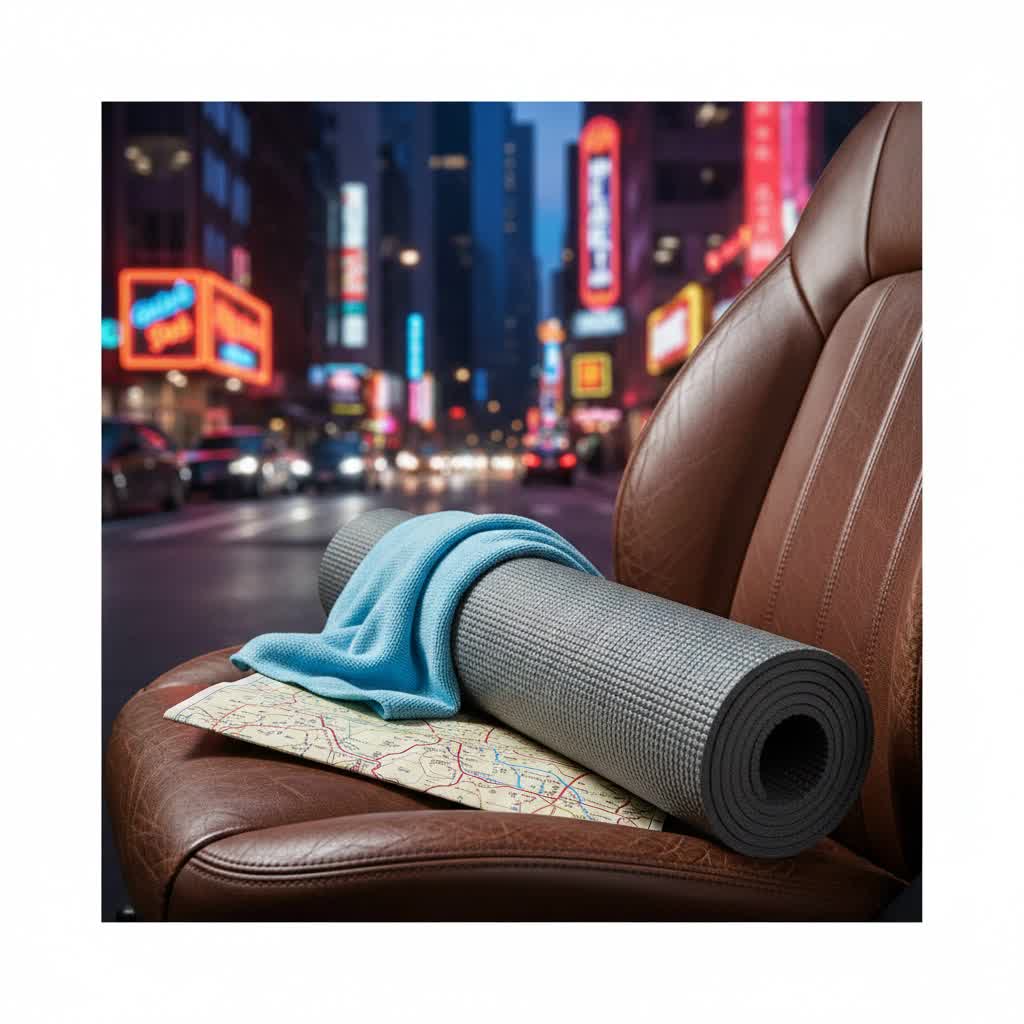
A travel yoga mat is more than just a miniature version of its studio counterpart; it’s a meticulously designed piece of equipment that prioritizes portability without entirely sacrificing performance. While traditional mats typically offer ample cushioning and stability for a stationary practice, travel mats are engineered to be exceptionally lightweight, compact, and often foldable, making them easy to stow in a suitcase, backpack, or even a carry-on.
Historically, yoga mats evolved from simple animal skins or natural fibers to modern synthetic and natural rubber options. The concept of a “travel mat” arose from the growing need of yogis to maintain their routines amidst a globalized, mobile lifestyle. They allow for an uninterrupted practice, whether you’re in a bustling airport lounge, a tranquil mountain retreat, or a cozy hotel room.
There are generally three main types of travel yoga mats:
- Foldable Travel Yoga Mats: These are designed to fold into a compact square or rectangle, ideal for packing flat in luggage. They often have creases or perforations to facilitate easy folding.
- Roll-Up Lightweight Yoga Mats: Thinner and lighter than standard mats, these still roll up but are less bulky. They typically offer a bit more cushioning than foldable mats.
- Hybrid Travel Mats (Towel + Mat Combo): These mats often feature a microfiber or yoga towel surface bonded to a thin rubber base, absorbing sweat while providing grip, particularly beneficial for hot yoga practitioners on the move.
The benefits of incorporating a travel yoga mat into your adventures are profound. Beyond physical exercise, it offers a consistent anchor for your mental well-being, helping you counteract the stresses of travel and maintain a sense of routine. It also provides a hygienic barrier on unfamiliar surfaces, ensuring a clean and safe space for your practice anywhere in the world.
How to Choose the Right Travel Yoga Mat
Selecting the perfect travel yoga mat involves balancing portability with the essential features that support your practice. The ideal mat for one yogi might not suit another, depending on their travel style and yoga intensity.
Factors to Consider When Choosing a Travel Yoga Mat
When you’re on the hunt for your ideal travel companion, keep these crucial aspects in mind:
- Material: The material of your travel mat largely dictates its grip, durability, weight, and eco-friendliness.
- Natural Rubber: Excellent grip, especially when wet, highly durable, and eco-friendly. However, it can be heavier than other options and may have a distinct initial odor. Brands like JadeYoga and Manduka often use natural rubber.
- TPE (Thermoplastic Elastomer): A good eco-friendly alternative, TPE mats are lightweight, durable, and offer good traction. They are generally softer and more flexible than rubber.
- PVC (Polyvinyl Chloride): Often the most affordable and readily available, PVC mats are lightweight, easy to clean, and durable. However, they are not biodegradable and may lack grip in sweaty conditions.
- Cork: An eco-conscious choice, cork mats are naturally antimicrobial and get grippier as they get wet. They are lightweight but may offer less cushioning.
- Microfiber: Often used in hybrid mats, microfiber offers a soft, towel-like surface that absorbs sweat and can enhance grip when damp.
- Thickness and Grip: Travel mats typically range from 1mm to 2mm in thickness, significantly thinner than standard 4-6mm mats. This thinness is key for portability but means less cushioning. You’ll often compromise on plushness for packability. A strong, non-slip grip is paramount to prevent accidents, especially since you might be practicing on diverse surfaces or in humid conditions. Look for textured surfaces that enhance traction.
- Size and Weight: A good travel mat should ideally weigh between 1 to 3 pounds (0.5 to 1.4 kg) for effortless carrying. Standard dimensions are usually maintained (around 68″ x 24″), but the key is how compactly it folds or rolls. Foldable mats excel in fitting into tight luggage spaces.
- Durability and Anti-slip Properties: A mat designed for travel needs to be robust enough to withstand being packed, unpacked, and used on various surfaces. Anti-slip properties are crucial for safety, ensuring the mat stays firmly in place on the floor and your hands and feet stay secure on the mat, even during dynamic flows or in humid environments.
- Price and Brand: Travel yoga mats range widely in price, from budget-friendly options by Gaiam to premium selections from Manduka or Liforme. Consider how often you’ll travel and your practice needs to determine the best investment. Established brands often offer better quality and customer support.
|
Our Picks for the Best Yoga Mat in 2026
As an Amazon Associate I earn from qualifying purchases.
|
||
| Num | Product | Action |
|---|---|---|
| 1 | Amazon Basics 1/4 Inch Thick TPE Exercise Yoga Mat with Carrying Strap |

|
| 2 | Retrospec Solana Yoga Mat 1" Thick w/Nylon Strap for Men & Women - Non Slip Exercise Mat for Home Yoga, Pilates, Stretching, Floor & Fitness Workouts |
|
| 3 | Amazon Basics Extra Thick Exercise Yoga Mat with Carrying Strap |
|
| 4 | Amazon Basics Extra Thick Exercise Yoga Mat with Carrying Strap |
|
| 5 | Retrospec Solana Yoga Mat 1" Thick w/Nylon Strap for Men & Women - Non Slip Exercise Mat for Home Yoga, Pilates, Stretching, Floor & Fitness Workouts |
|
| 6 | Amazon Basics Extra Thick Exercise Yoga Mat with Carrying Strap |
|
| 7 | Amazon Basics Extra Thick Exercise Yoga Mat with Carrying Strap |
|
| 8 | Retrospec Solana Yoga Mat 1" Thick w/Nylon Strap for Men & Women - Non Slip Exercise Mat for Home Yoga, Pilates, Stretching, Floor & Fitness Workouts |
|
| 9 | Amazon Basics Extra Thick Exercise Yoga Mat with Carrying Strap |
|
| 10 | Retrospec Solana Yoga Mat 1" Thick w/Nylon Strap for Men & Women - Non Slip Exercise Mat for Home Yoga, Pilates, Stretching, Floor & Fitness Workouts |
|
Travel Yoga Mat for Different Practices
Your style of yoga and the intensity of your practice should also influence your choice:
- For Beginners: A slightly thicker travel mat (around 2mm) might offer a bit more comfort for wrists and knees, easing into the practice. Look for good all-around grip and ease of cleaning.
- For Experienced Practitioners and Hot Yoga: High-grip natural rubber or hybrid mats with a towel-like surface are excellent for preventing slips during dynamic sequences or intense, sweaty sessions. JadeYoga and Manduka eKO Superlite are popular choices for their reliable grip.
- For High-Intensity Workouts or Pilates: While yoga mats are generally softer, a travel mat with a very stable, non-stretching surface and excellent floor grip (like some TPE or rubber options) can serve well as a portable exercise surface for other fitness activities.
Comparing Popular Travel Yoga Mats
Understanding the specific features of different materials can help you make an informed decision. Here’s a comparative look at the most common types used in travel yoga mats:
Detailed Comparison Table of Travel Yoga Mat Materials
| Feature | Yoga Mat PVC | Yoga Mat TPE | Yoga Mat Natural Rubber | Yoga Mat Cork |
|---|---|---|---|---|
| Pros | Affordable, durable, easy to clean | Eco-friendly, lightweight, good grip | Excellent grip, highly durable, eco-friendly | Antimicrobial, grippier when wet, eco-friendly |
| Cons | Not eco-friendly, can be slippery when wet | Less durable than rubber, may lack plushness | Heavier, strong initial odor, higher price | Less cushioning, can be brittle over time, higher price |
| Grip | Moderate (can reduce with sweat) | Good | Excellent (especially when wet) | Good (improves with moisture) |
| Weight | Very lightweight | Lightweight | Moderate to heavier | Lightweight |
| Durability | High | Moderate | Very high | Moderate to high |
| Eco-Friendliness | Low | High | High | High |
> “The true value of a travel yoga mat isn’t just in its ability to fold or roll, but in empowering you to maintain your wellness routine consistently, no matter how far your adventures take you.” – ReviewPTSB.com Expert Analyst
Tips for Cleaning and Maintaining Your Travel Yoga Mat
Keeping your travel yoga mat clean and well-maintained is crucial for hygiene, longevity, and optimal performance, especially when you’re moving between different environments.
- After Each Practice: Wipe down your mat with a damp cloth and a mild, natural cleaning solution (e.g., diluted white vinegar or a specialized mat cleaner). This helps remove sweat, dirt, and bacteria. For quick drying, hang it or lay it flat.
- Deep Cleaning: Periodically, depending on use, give your mat a more thorough cleaning. Some TPE and microfiber mats are machine washable on a gentle cycle, but always check manufacturer instructions. Natural rubber mats should generally be hand-washed with mild soap and water, then air-dried completely away from direct sunlight, which can degrade the rubber.
- Storage: When not in use, ensure your mat is completely dry before folding or rolling. Store it in a cool, dry place away from direct sunlight or extreme temperatures. For foldable mats, storing them folded can help maintain their compact shape.
Where to Buy a Travel Yoga Mat
Finding your perfect travel yoga mat can be an exciting part of preparing for your next journey. Here are some avenues to explore:
- Specialty Yoga Stores: These stores often have knowledgeable staff who can guide you through different brands and materials, allowing you to feel the mats and compare their textures and weights firsthand.
- Outdoor and Sporting Goods Retailers: Larger chains sometimes carry a selection of travel-friendly mats, especially those geared towards general fitness or hiking.
- Online Retailers: Websites like Amazon, Manduka, JadeYoga, Gaiam, and others offer a vast selection, often with competitive pricing and user reviews. When buying online, pay close attention to product descriptions, dimensions, weight, and customer feedback regarding grip and durability. Look for retailers with good return policies in case the mat doesn’t meet your expectations.
Buying Guide: Summing Up Your Travel Mat Selection
Choosing a travel yoga mat is a personal decision that impacts your comfort and consistency while practicing away from home. By considering these key steps, you can confidently select a mat that truly complements your lifestyle.
Determine Your Usage Needs
First, reflect on your typical travel style and yoga practice. Will you be backpacking where every ounce counts, or mainly taking road trips with more luggage space? Do you practice hot yoga, requiring exceptional grip, or gentle restorative flows where some cushioning is beneficial? Understanding these needs will narrow down your options significantly.
Research Material and Features
Dive into the different materials available—natural rubber, TPE, PVC, cork, and microfiber. Each offers a unique blend of grip, durability, weight, and eco-friendliness. Consider the thickness and how it balances comfort with portability, and prioritize strong anti-slip properties crucial for varied surfaces.
Compare Price and Quality
Balance your budget with the quality and features you desire. While some premium mats offer superior grip and longevity, more affordable options can still be excellent for occasional travelers or beginners. Remember that a higher price often reflects advanced materials, better design, and enhanced durability.
Read Reviews and Testimonials
Always consult user reviews and testimonials. Real-world experiences from other travelers and yogis can provide invaluable insights into a mat’s true performance, particularly regarding its grip, packability, and how it holds up over time. Pay attention to feedback from users with similar travel habits or yoga styles.
Conclusion
A travel yoga mat is an indispensable tool for maintaining your practice and well-being, allowing you to carry the tranquility of your mat with you across the globe. By carefully considering factors like material, thickness, grip, and portability, you can find a mat that seamlessly integrates into your travel adventures. It’s an investment in uninterrupted self-care, ensuring that wherever life takes you, your yoga practice remains a constant. So, what new horizons will you explore with your trusted travel yoga mat?
Frequently Asked Questions
What is the ideal thickness for a travel yoga mat?
Most travel yoga mats are between 1mm and 2mm thick. While thinner for portability, this means less cushioning. For sensitive joints, you might place it over a carpet or hotel towel for added padding.
Can a travel yoga mat be used as a primary mat?
While functional, a travel yoga mat’s thinness typically makes it less ideal for daily home practice compared to a thicker, more cushioned standard mat. It truly excels as a portable solution for on-the-go practice.
Are foldable travel yoga mats better than roll-up ones?
Foldable mats are generally considered more compact for packing into suitcases and backpacks, as they take up less linear space. Roll-up travel mats, though thinner than standard, still require more length, which might be a challenge for smaller luggage.
How do I prevent my travel yoga mat from slipping on smooth floors?
Look for travel mats made from natural rubber or TPE with a textured, non-slip surface. Ensuring both the mat and the floor are clean and dry before practice also significantly improves stability and prevents unwanted movement.
How should I clean a natural rubber travel yoga mat?
Natural rubber mats should be cleaned gently by hand with a damp cloth and a mild, natural cleaner or diluted white vinegar. Avoid harsh chemicals or machine washing, and always air dry completely away from direct sunlight to preserve the material.
Is an eco-friendly travel yoga mat worth the higher price?
Eco-friendly mats, often made from natural rubber or TPE, tend to be more durable, offer superior grip, and are better for the environment. For frequent travelers and dedicated yogis, the enhanced performance and sustainability often justify the higher initial investment.
Can I put my travel yoga mat in the washing machine?
Some TPE and microfiber travel mats may be machine washable on a gentle cycle, but it’s crucial to always check the specific care instructions provided by the manufacturer. Natural rubber mats typically require hand washing to avoid damage.
