Embarking on a yoga journey, whether as a seasoned practitioner or a curious beginner, requires the right foundation – and that often starts with your yoga mat. More than just a piece of equipment, a quality yoga mat is your personal space, a silent partner providing stability, comfort, and connection to your practice. With countless options available, finding the ideal mat can feel overwhelming. This guide, drawing on over a decade of experience, will help you navigate the choices, ensuring you select a mat that supports your unique needs, enhances your practice, and becomes a reliable companion on your path to wellness.
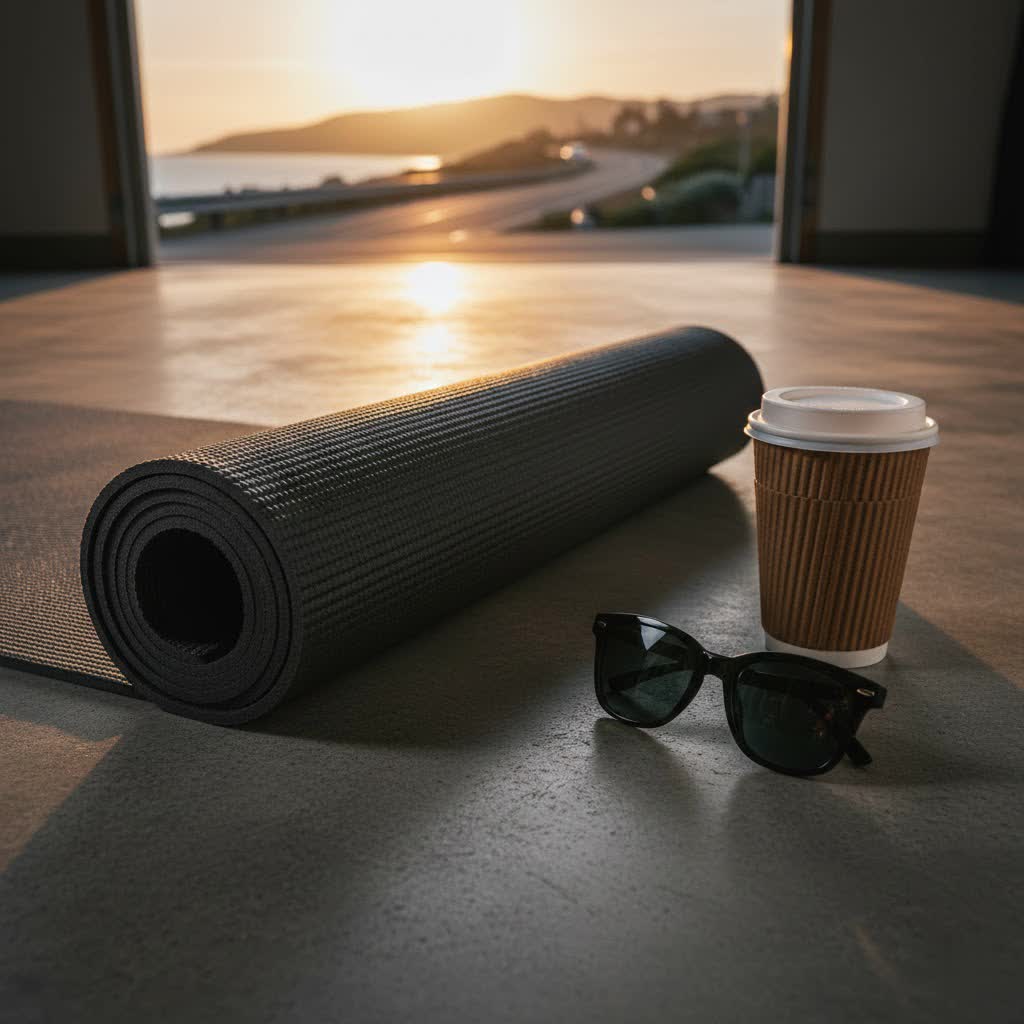
Yoga Mat: An Overview and Its Benefits
The yoga mat, as we know it today, is a relatively modern invention, evolving from simple rugs and blankets used by ancient yogis. Its primary purpose is to prevent slipping, provide cushioning, and delineate a personal space for practice. The shift towards specialized mats gained traction in the late 20th century, making yoga more accessible and safer for practitioners worldwide.
Today, the market boasts a diverse range of yoga mats, each designed with specific features to cater to different styles and preferences. From traditional sticky mats to eco-friendly options, the evolution reflects a growing understanding of both practitioner needs and environmental consciousness.
The benefits of using a dedicated yoga mat are profound:
- Enhanced Grip and Stability: A good mat prevents hands and feet from slipping, allowing for more stable poses and reducing the risk of injury.
- Cushioning and Joint Protection: Mats provide a crucial layer of padding between your body and the hard floor, protecting knees, wrists, and spine during various poses.
- Hygiene: Having your own mat ensures a clean and personal practice surface, especially important in shared studio environments.
- Defined Space: A mat clearly marks your personal practice area, fostering focus and mental discipline.
- Improved Comfort: The right mat can significantly enhance comfort, making longer holds and challenging poses more manageable and enjoyable.
Guide to Choosing the Right Yoga Mat
Selecting a yoga mat that truly fits your practice is crucial for both performance and longevity. It involves a careful consideration of various factors, from the materials it’s made from to its suitability for your preferred yoga style.
Key Factors to Consider When Choosing a Yoga Mat
When you set out to purchase a yoga mat, ponder these essential characteristics to make an informed decision:
-
Material: The material of your mat significantly impacts its feel, grip, durability, and environmental footprint.
- PVC (Polyvinyl Chloride): Often known as the “sticky mat,” PVC is highly durable, easy to clean, and offers excellent floor grip. It provides a good amount of “give” or sponginess, making it comfortable. However, PVC is not biodegradable and can become slippery with heavy sweat. It’s latex-free, which is a plus for those with allergies.
- TPE (Thermoplastic Elastomer): TPE mats are a more eco-friendly alternative to PVC, being recyclable and biodegradable. They are generally lightweight, offer good cushioning, and have decent grip. TPE mats are often softer and less dense than natural rubber or high-density PVC, which might affect their long-term durability compared to other options.
- Natural Rubber: Praised for its exceptional grip, especially in sweaty conditions, natural rubber mats are also environmentally friendly and biodegradable. They offer firm, dense cushioning and a grounded feel. However, they can be heavier, more expensive, and may have a distinct rubber scent. Some natural rubber mats, like the B Mat, perform beautifully from day one, though they might show aesthetic wear more quickly than some closed-cell PVC mats.
- Jute and Cotton: These natural fiber mats offer a more organic feel and are highly sustainable. They provide good texture for grip but typically offer less cushioning than rubber or PVC. They are often used as top layers over another mat or for specific, less intense practices.
-
Thickness and Grip: The ideal thickness depends on your need for cushioning versus stability. Standard mats are around 1/8-inch (3.175mm), offering a good balance for flowing practices and solid contact with the floor. Thicker mats (up to 1/4-inch or 6mm+) provide extra cushioning, ideal for restorative yoga or those with sensitive joints. Thinner mats (2mm travel mats) are lightweight and portable but sacrifice padding. Grip is paramount; look for textured surfaces or materials known for high traction to prevent slipping.
-
Size and Weight: Most mats are standard length (68 inches) and width (24 inches), but longer and wider options are available for taller individuals or those desiring more space. Consider the mat’s weight if you frequently commute to class. Travel mats are designed to be lightweight and compact, easily fitting into luggage.
-
Anti-Slip Capability and Durability: A mat’s ability to resist slipping is critical for safety and focus. Materials like natural rubber are renowned for superior wet and dry grip. Durability varies greatly with material and construction. Investing in a high-quality mat typically means it will withstand regular, intense practice for many years, avoiding the “buy cheap, buy twice” scenario.
-
Price and Brand: Prices range widely. While budget options exist, reputable brands often offer superior performance, durability, and eco-friendly features. Brands like Manduka, Jade, and B Mat are often favored by instructors for their quality and longevity. Consider your mat an investment in your practice and well-being.
|
Our Picks for the Best Yoga Mat in 2026
As an Amazon Associate I earn from qualifying purchases.
|
||
| Num | Product | Action |
|---|---|---|
| 1 | Amazon Basics Extra Thick Exercise Yoga Mat with Carrying Strap |

|
| 2 | Retrospec Solana Yoga Mat 1" Thick w/Nylon Strap for Men & Women - Non Slip Exercise Mat for Home Yoga, Pilates, Stretching, Floor & Fitness Workouts |
|
| 3 | Amazon Basics Extra Thick Exercise Yoga Mat with Carrying Strap |
|
| 4 | Amazon Basics Extra Thick Exercise Yoga Mat with Carrying Strap |
|
| 5 | Amazon Basics 1/4 Inch Thick TPE Exercise Yoga Mat with Carrying Strap |
|
| 6 | Amazon Basics Extra Thick Exercise Yoga Mat with Carrying Strap |
|
| 7 | Retrospec Solana Yoga Mat 1" Thick w/Nylon Strap for Men & Women - Non Slip Exercise Mat for Home Yoga, Pilates, Stretching, Floor & Fitness Workouts |
|
| 8 | Retrospec Solana Yoga Mat 1" Thick w/Nylon Strap for Men & Women - Non Slip Exercise Mat for Home Yoga, Pilates, Stretching, Floor & Fitness Workouts |
|
| 9 | Retrospec Solana Yoga Mat 1" Thick w/Nylon Strap for Men & Women - Non Slip Exercise Mat for Home Yoga, Pilates, Stretching, Floor & Fitness Workouts |
|
| 10 | Amazon Basics Extra Thick Exercise Yoga Mat with Carrying Strap |
|
Yoga Mat for Different Practice Styles
Your yoga style plays a significant role in determining the most suitable mat:
-
Yoga Mat for Beginners: A standard 1/8-inch (3.175mm) to 1/4-inch (6mm) PVC or TPE mat is often recommended. It provides adequate cushioning without being too thick to destabilize balances, offers good grip, and is generally more budget-friendly. Focus on comfort and stability to build confidence.
-
Yoga Mat for Professional Practitioners: Experienced yogis often prioritize superior grip and durability. Natural rubber mats, like the B Mat, are excellent choices, offering exceptional traction even in vigorous or sweaty practices. Dense, high-quality PVC mats from brands like Manduka are also popular for their longevity. Professionals might prefer thinner mats for better ground connection and stability in advanced poses.
-
Yoga Mat for High-Intensity Workouts (e.g., Hot Yoga, Vinyasa): For practices involving significant sweat, high-grip mats are essential. Natural rubber mats excel here, as their traction often improves with moisture. Mats with open-cell construction are designed to wick away or absorb sweat, maintaining grip. The B Mat, made from 100% natural rubber, is a top choice for hot yoga due to its non-slip grip that holds even when wet.
Comparing Popular Yoga Mat Types
Understanding the specific attributes of common mat materials can help solidify your choice. While the market offers a wide array of options, PVC, TPE, and Natural Rubber remain the most prevalent.
Detailed Comparison Table of Popular Yoga Mat Types
| Feature | Yoga Mat PVC | Yoga Mat TPE | Yoga Mat Natural Rubber |
|---|---|---|---|
| Pros | Affordable, easy to find, durable, excellent floor grip, good cushioning, latex-free | Environmentally friendly, recyclable, lightweight, good cushioning, good grip, non-toxic | Superior grip (especially wet), eco-friendly, biodegradable, dense cushioning, comfortable, grounded feel |
| Cons | Not environmentally friendly, can become slippery with heavy sweat, not biodegradable | Less durable than PVC or natural rubber, may not offer as much grip in very sweaty conditions, can be less dense | Higher price, heavier, may have a natural rubber scent, can show aesthetic wear more quickly |
| Durability | High, can last over a decade | Moderate, generally less than PVC or natural rubber | High, but some types may show surface wear (e.g., hand/foot imprints) faster than dense PVC |
| Grip in Sweat | Can be slippery | Moderate | Excellent, often improves with moisture |
| Eco-Friendliness | Low | High | High |
| Typical Thickness | 3-6mm | 4-6mm | 3-6mm |
| Best For | Beginners, general practice | General practice, eco-conscious buyers | Hot yoga, vinyasa, professional practitioners, those needing maximum grip |
Tips for Cleaning and Maintaining Your Yoga Mat
Proper care is essential to extend the life of your yoga mat and maintain a hygienic practice space. Neglecting mat care can lead to unpleasant odors and reduced grip over time.
How to Clean Your Yoga Mat After Each Practice
After every yoga session, especially if you’ve sweat, a quick clean is advisable. Wipe down your mat with a damp cloth and a gentle cleaner. You can use a solution of water and mild soap, or a homemade mat cleaner. For instance, a mixture of three parts water to one part white vinegar in a spray bottle works well to disinfect and refresh most mats. Spray lightly and wipe thoroughly with a clean cloth. Avoid harsh chemicals or excessive scrubbing, which can damage the mat’s surface and shorten its lifespan. Some mats, especially those with suede textures, might even be machine washable, offering a highly hygienic option.
Suitable Cleaning Solutions
- Mild Soap and Water: A few drops of dish soap in water is a simple and effective cleaner for most mat materials.
- White Vinegar Solution: Diluted white vinegar (e.g., 1:3 vinegar to water) is a natural disinfectant and deodorizer. Some brands, like B Mat, even suggest a 1:1 water to white vinegar solution for cleaning.
- Commercial Mat Cleaners: Many yoga brands offer specialized mat cleaning sprays that are gentle on materials and often contain essential oils for a pleasant scent.
- Avoid: Bleach, abrasive cleaners, or oil-based solvents, which can degrade mat materials, particularly natural rubber.
How to Store Your Yoga Mat to Increase Its Lifespan
Proper storage prevents damage and helps your mat retain its shape and integrity. Always roll your mat with the practice surface (the side you use) facing outwards. This helps the mat lie flat when unrolled, preventing the edges from curling up during practice. Store it in a cool, dry place away from direct sunlight, which can cause materials like natural rubber to break down over time. If your mat is still damp after cleaning, let it air dry completely before rolling it up to prevent mildew.
Where to Buy a Yoga Mat?
Finding the right yoga mat is an investment, and knowing where to look for quality and reliability is key.
Reputable Stores for Yoga Mats
You can find yoga mats at various retail locations:
- Specialty Yoga Stores: These stores offer a curated selection of high-quality mats, often with knowledgeable staff who can provide personalized recommendations.
- Sporting Goods Stores: Larger chains like REI often carry a range of yoga mats, from basic to premium, and their expert advice sections can be helpful resources.
- Department Stores: Some department stores with activewear sections may stock yoga mats, though the selection might be more limited.
Buying Yoga Mats Online and What to Keep in Mind
Online retailers offer the widest selection and often competitive prices. Websites like Amazon, as well as direct-to-consumer brand sites (e.g., Manduka, Jade Yoga, B Yoga), provide extensive choices. When buying online:
- Read Reviews: Customer reviews are invaluable for assessing a mat’s real-world performance, durability, and grip.
- Check Return Policies: Ensure the retailer has a flexible return policy in case the mat doesn’t meet your expectations.
- Verify Material and Specifications: Double-check the material, thickness, size, and weight to ensure it matches your requirements.
- Look for Eco-Certifications: If eco-friendliness is a priority, look for certifications or clear descriptions of sustainable materials and manufacturing processes.
Buying Guide: Summing Up Your Yoga Mat Selection Journey
Navigating the world of yoga mats can be simplified by following a clear, structured approach. Your ideal mat awaits, ready to transform your practice.
Determine Your Usage Needs
Before anything else, clarify your needs. Are you a beginner needing basic cushioning? An advanced practitioner requiring maximum grip for dynamic flows? Do you practice hot yoga and sweat profusely? Do you need a lightweight mat for travel, or a thick one for restorative practices and sensitive joints? Answering these questions will narrow down your options significantly.
Research Different Materials
Familiarize yourself with the pros and cons of PVC, TPE, and natural rubber. Consider what’s most important to you: ultimate grip, environmental impact, cushioning, or durability. If eco-friendliness is key, natural rubber mats like the B Mat are excellent choices, offering high performance with sustainable materials.
Compare Price and Quality
While it might be tempting to opt for the cheapest option, remember that a quality yoga mat is an investment. High-performance, durable mats from reputable brands may cost more upfront but will often last much longer, providing better value and a superior practice experience in the long run. Consider what you are willing to invest for the comfort, safety, and longevity of your mat.
Read User Reviews and Ratings
Before making a final decision, delve into user reviews and expert ratings. Real-world feedback can offer insights into a mat’s actual grip, comfort, smell, and durability that specifications alone might not convey. Pay attention to comments related to your specific practice style or concerns, such as “too sticky for jump-throughs” or “excellent for sweaty hands”.
> “Choosing the right yoga mat isn’t just about the material or thickness; it’s about finding a mat that truly resonates with your practice, supporting your body and mind in every pose.” – An Admin from reviewptsb.com, Yoga Mat Expert
Conclusion
Choosing the perfect yoga mat is a deeply personal journey, reflecting your unique practice, values, and physical needs. From understanding the nuances of different materials like PVC, TPE, and natural rubber, to considering factors like thickness, grip, and durability, every decision contributes to enhancing your experience on the mat. By investing time in research and selecting a mat that truly supports you, you are not just buying a product, but embracing a dedicated tool that will elevate your yoga practice for years to come.
What aspect of your yoga mat do you value most in your daily practice?
Frequently Asked Questions
What is the best thickness for a yoga mat?
The best thickness varies by personal preference and yoga style. A standard 1/8-inch (3.175mm) mat offers good stability for active practices, while a thicker 1/4-inch (6mm) mat provides more cushioning for joint comfort, restorative yoga, or beginners. Travel mats are thinner (2mm) for portability.
Are natural rubber yoga mats better?
Natural rubber yoga mats are often considered superior for their exceptional grip, especially in sweaty conditions, and their eco-friendly, biodegradable nature. They offer dense cushioning and a grounded feel but can be heavier, more expensive, and may show aesthetic wear faster than some other materials.
How often should I clean my yoga mat?
It’s recommended to wipe down your yoga mat with a gentle cleaner after every practice, especially if you sweat. For a deeper clean, a thorough wash can be done periodically, depending on frequency of use and sweat levels. Proper and regular cleaning prevents odor and maintains hygiene.
Can I use a regular exercise mat for yoga?
While you can use a regular exercise mat, it’s generally not ideal for yoga. Yoga mats are specifically designed with features like enhanced grip and appropriate thickness to support yoga poses, prevent slipping, and provide adequate cushioning without hindering balance, which many generic exercise mats lack.
What causes a yoga mat to be slippery?
A yoga mat can become slippery due to several factors, including the mat’s material (some materials like PVC can lose grip with heavy sweat), dirt and oils accumulating on the surface, or even a brand-new mat needing a “break-in” period to achieve optimal grip. Regular cleaning helps maintain its anti-slip properties.
What is the average lifespan of a good yoga mat?
The lifespan of a good yoga mat varies by material and usage. High-quality PVC mats can last over a decade with proper care. Natural rubber mats are also very durable, though they might show aesthetic wear and tear (like imprints) within a couple of years of frequent use, while maintaining their grip and functionality.
